Weapons
Evolution of different types of weapons throuought the history of Mesopotamia, Greece, Rome, and the Middle Ages
Click a section above to see more
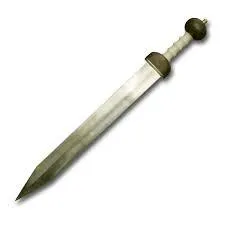
Short Swords
Short swords were used in Mesopotamia, Greece, Rome, and Medival Europe. Short swords were often used as a sidearm (backup weapon) for soldiers using spears.
Pros: Agile, easy to carry, great for close-quarters combat.
Cons: Limited range, less power in cuts, and attacks are more easily predictable.
Average size: 18-30 inches
Average weight: 1.5-3 pounds
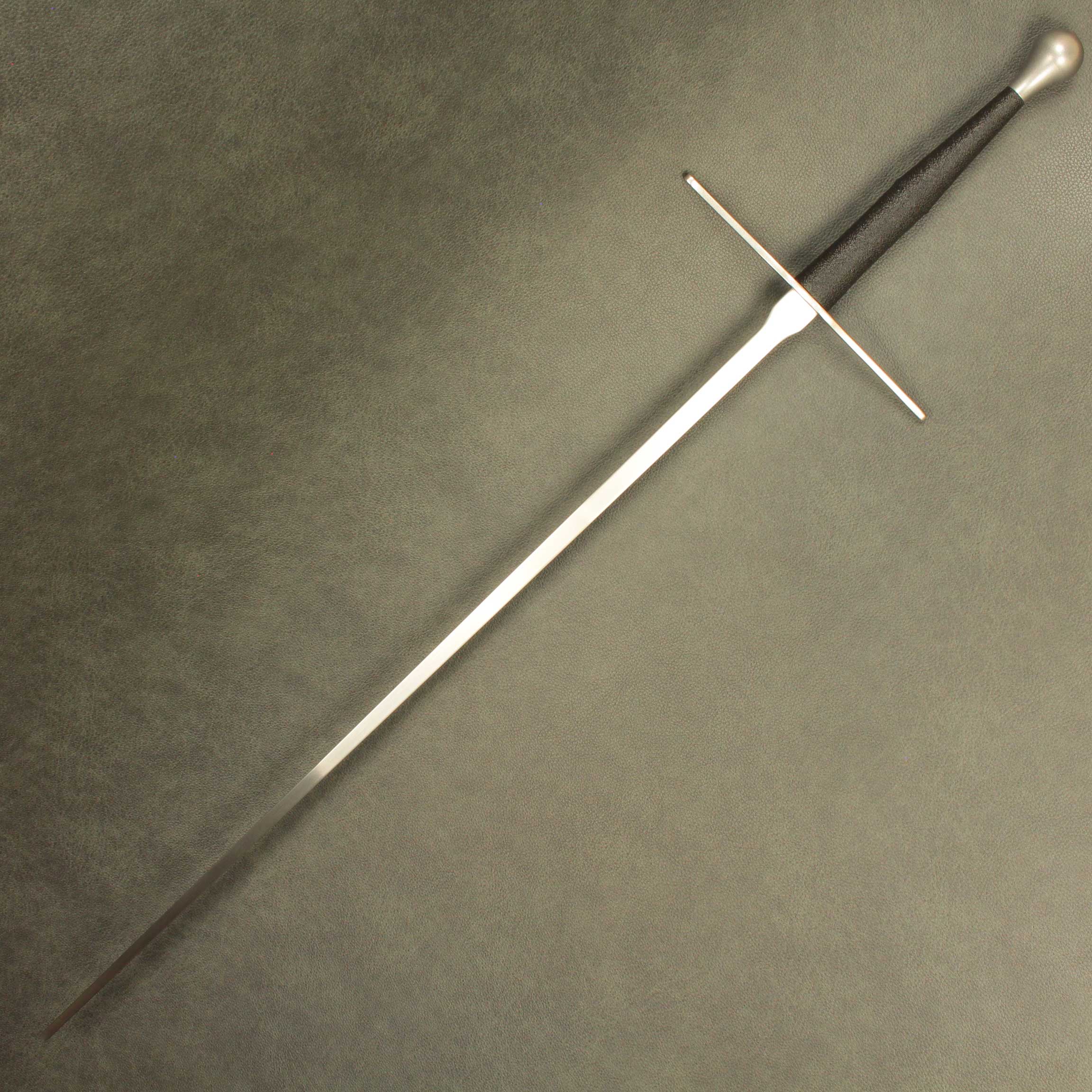
Longswords
Longswords were used in Mesopotamia, Rome, and the Middle Ages. Longswords were typically used by cavalry to allow greater range.
Pros: More strength with two-handed strikes, great defensive capabilities, versatile.
Cons: Expensive to mass-produce, inability to use a shield, requires specific training to weild
Average size: 40-48 inches
Average weight: 2.5-4 pounds
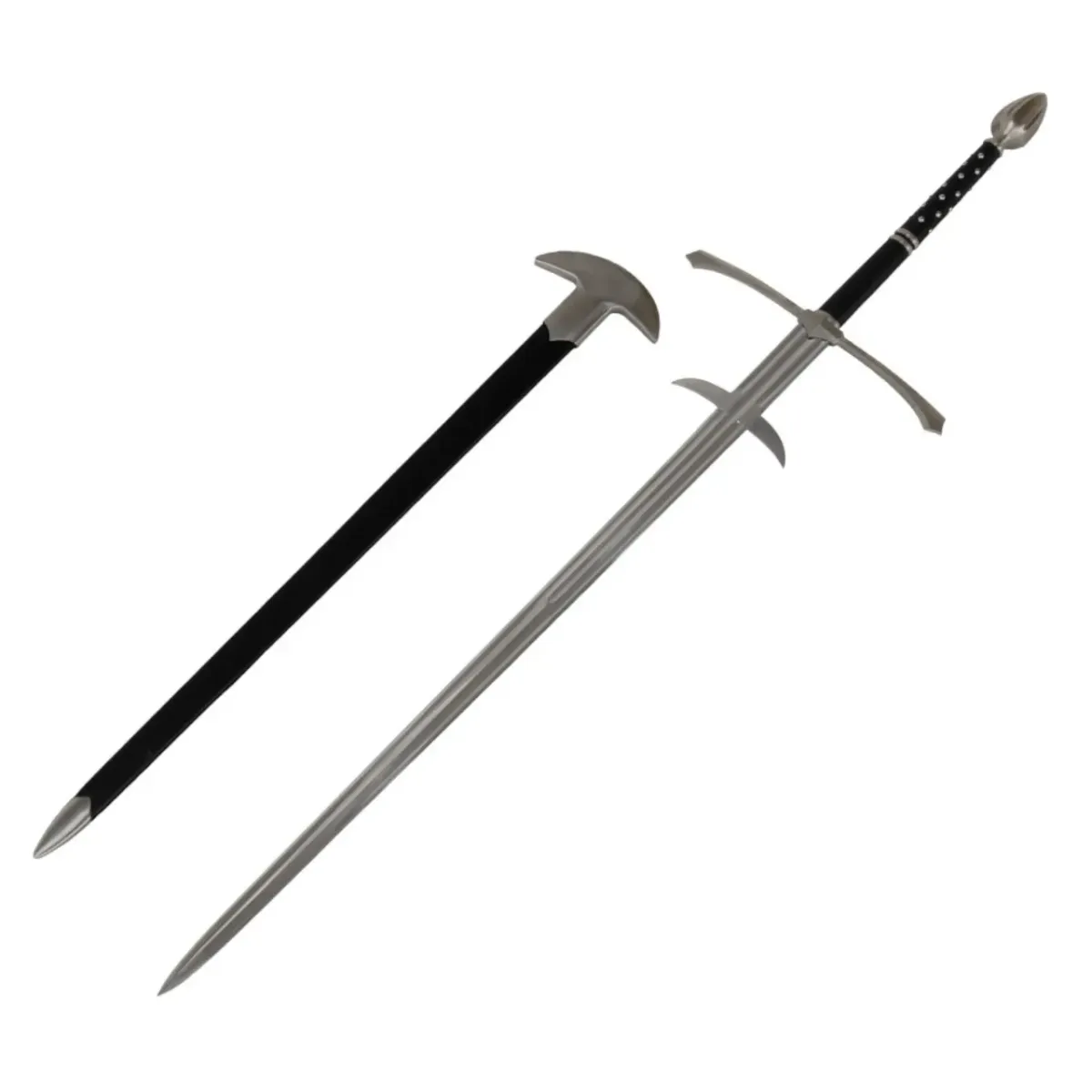
Greatswords
Greatswords were used in the Middle ages. Greatswords were typically used as area denial weapons. Because of their weight and size, they were used to break army formations and protect an area.
Pros: Very long reach, great for chaining cuts and area denial, high power.
Cons: Cannot be used in tight spaces, expensive to produce, requires a lot of energy to continuously use.
Average size: 5-6 feet
Average weight: 5-8 pounds
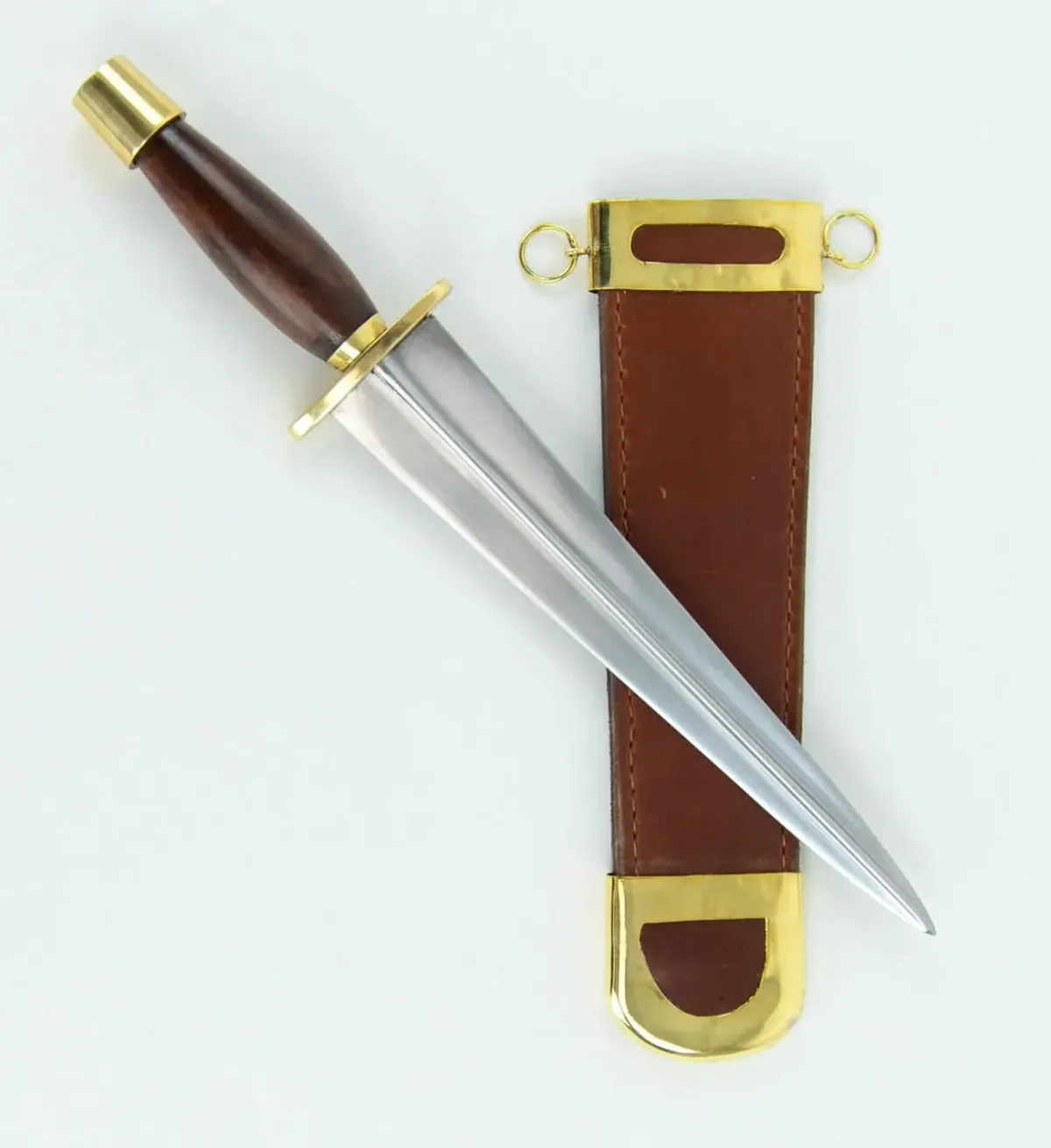
Daggers
Small, concealable blade used for thrusting and very close combat. Usually a backup weapon or a tool.
Pros: Very lightweight, concealable, sneaky attacks (assassinations)
Cons: Low range, limited power, much less effective on armor
Average size: 8-18 inches
Average weight: 0.5-2 pounds
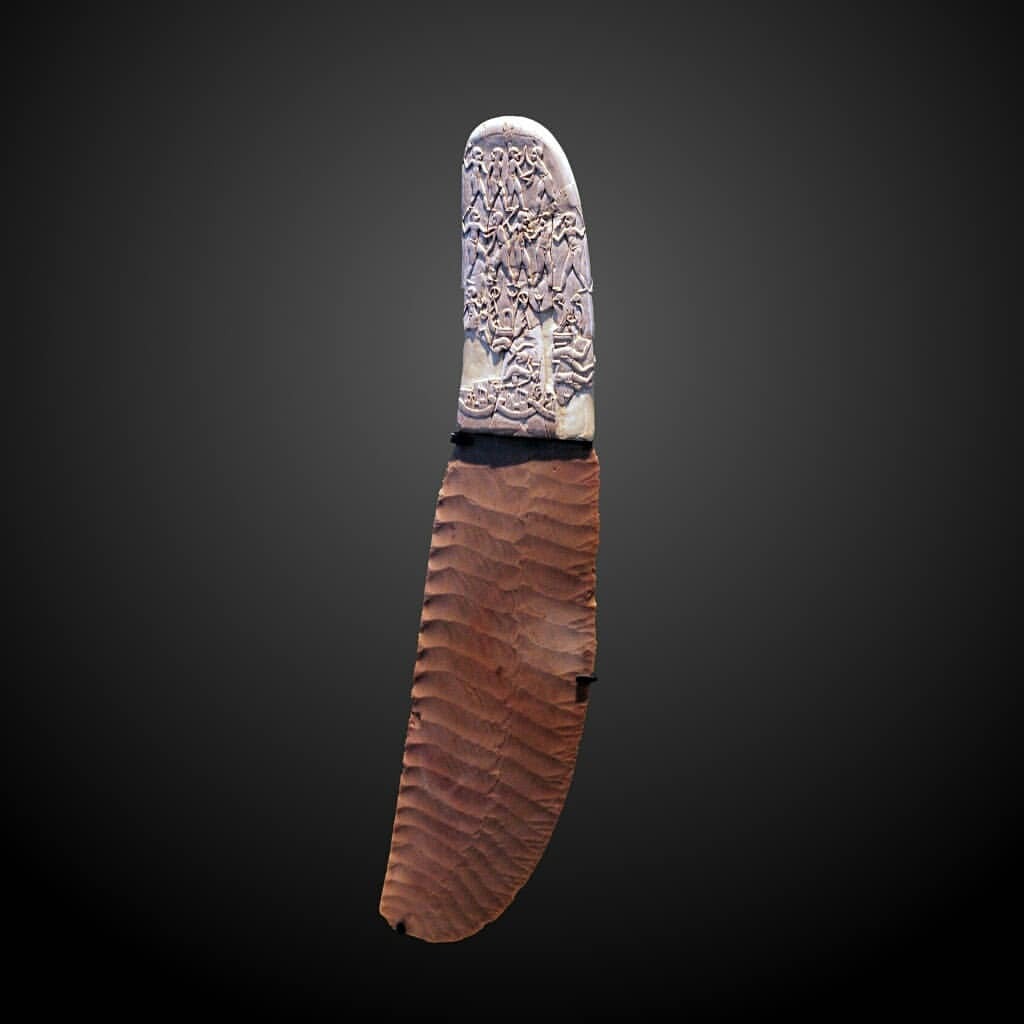
Utility knives
Utility knives are a multipurpose tool designed for everyday tasks, such as cutting materials. Not exclusively made for combat, but definitely able to kill someone.
Pros: Lightweight, very useful, concealable.
Cons: Low range, limited power, blade not designed for combat
Average size: 6-12 inches
Average weight: 0.3-1 pound
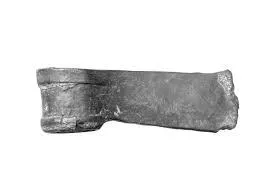
Woodcutting axe
Axes are some of the most important weapons in history; being used to fell trees and cut wood. Axes were used by pretty much every civilization.
Pros: High power blows, multipurpose (attacking and chopping wood), less complex/simple training.
Cons: Low speed, harder to block attacks, short range
Average size: 24-36 inches
Average weight: 3-6 pounds
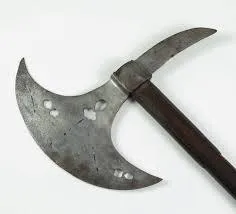
Battleaxe
Battleaxes are variants of axes that were more suited for combat. They often featured a large, curved blade and a spike on the other side. Some versions feature two blades. Axes have been used in combat in Mesopotamia, Greece, and the Middle Ages.
Pros: Armor-piercing spike, heavy hits, better at combat than a normal axe.
Cons: Heavy/slow, attacker is vulnerable if they miss, tiring to use
Average size: 2-4 feet
Average weight: 3-7 pounds
Click a section above to see more
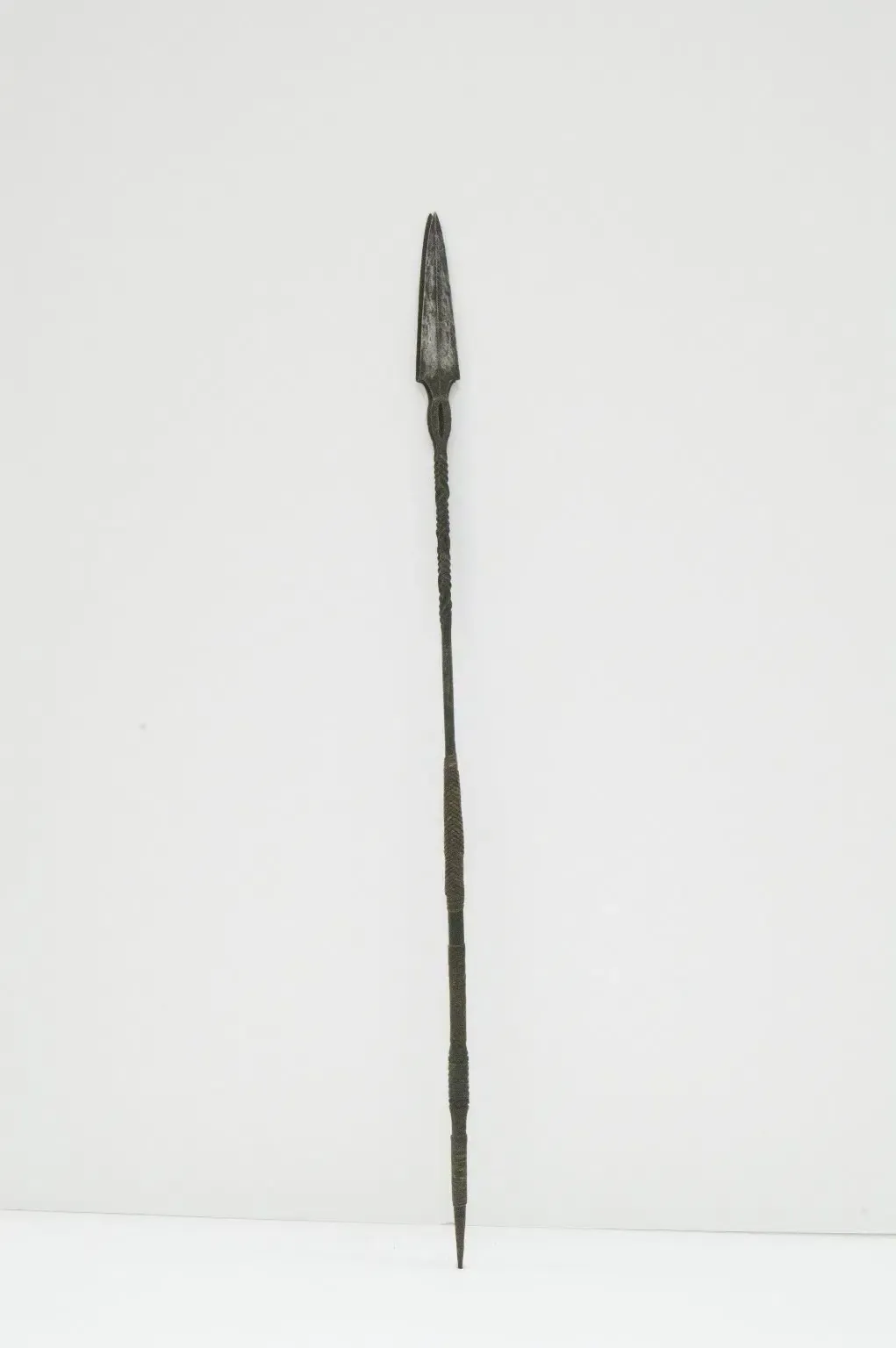
Spear
A long pole, typically wooden, with a sharpened tip often made of metal. Spears are some of the most simple weapons, and are used in Mesopotamia, Greece, Rome, and the Middle Ages.
Pros: Keeps enemies away from you, easy to use.
Cons: Poor performance in tight spaces, leaves you vulnerable if an enemy closes distance.
Average size: 6-9 feet
Average weight: 2-6 pounds
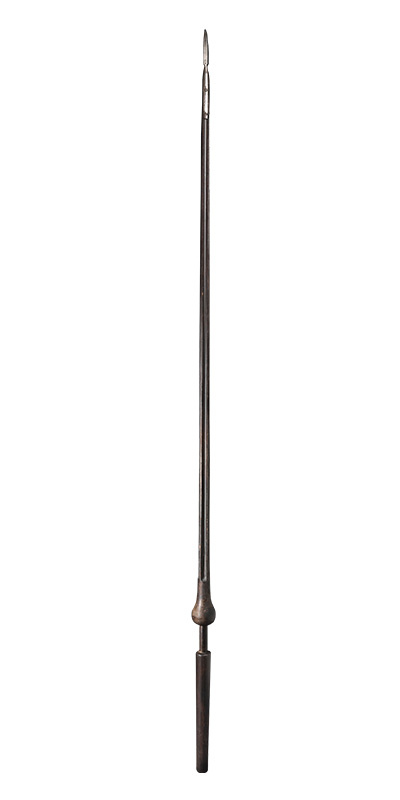
Lance
Lances are heavy spears designed for use on horses. Used in Mesopotamia, Greece, Rome, and the Middle Ages.
Pros: Very powerful when used with a horse, good at breaking enemy formations.
Cons: Not very useful on foot, often breaks after a few hits.
Average size: 8-14 feet
Average weight: 4-8 pounds
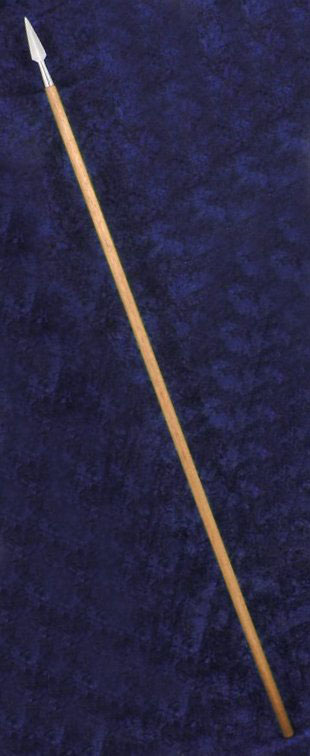
Javelin
Javelins are lightweight spears that were thrown from a distance. Used in Mesopotamia, Greece, Rome, and the Middle ages.
Pros: Lightweight, easy to carry multiple, fast
Cons: Single use, does very little in close combat
Average size: 4-7 feet
Average weight: 1-3 pounds
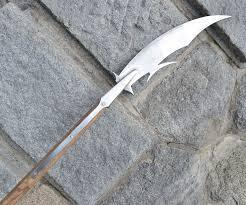
Glaive
A glaive is a pole with a single edged blade on the tip. It's designed for sweeping cuts and control. Used in the Middle Ages.
Pros: Long reach, good in formation
Cons: Less effective thrusting, difficult to use indoors
Average size: 6-8 feet
Average weight: 4-6 pounds
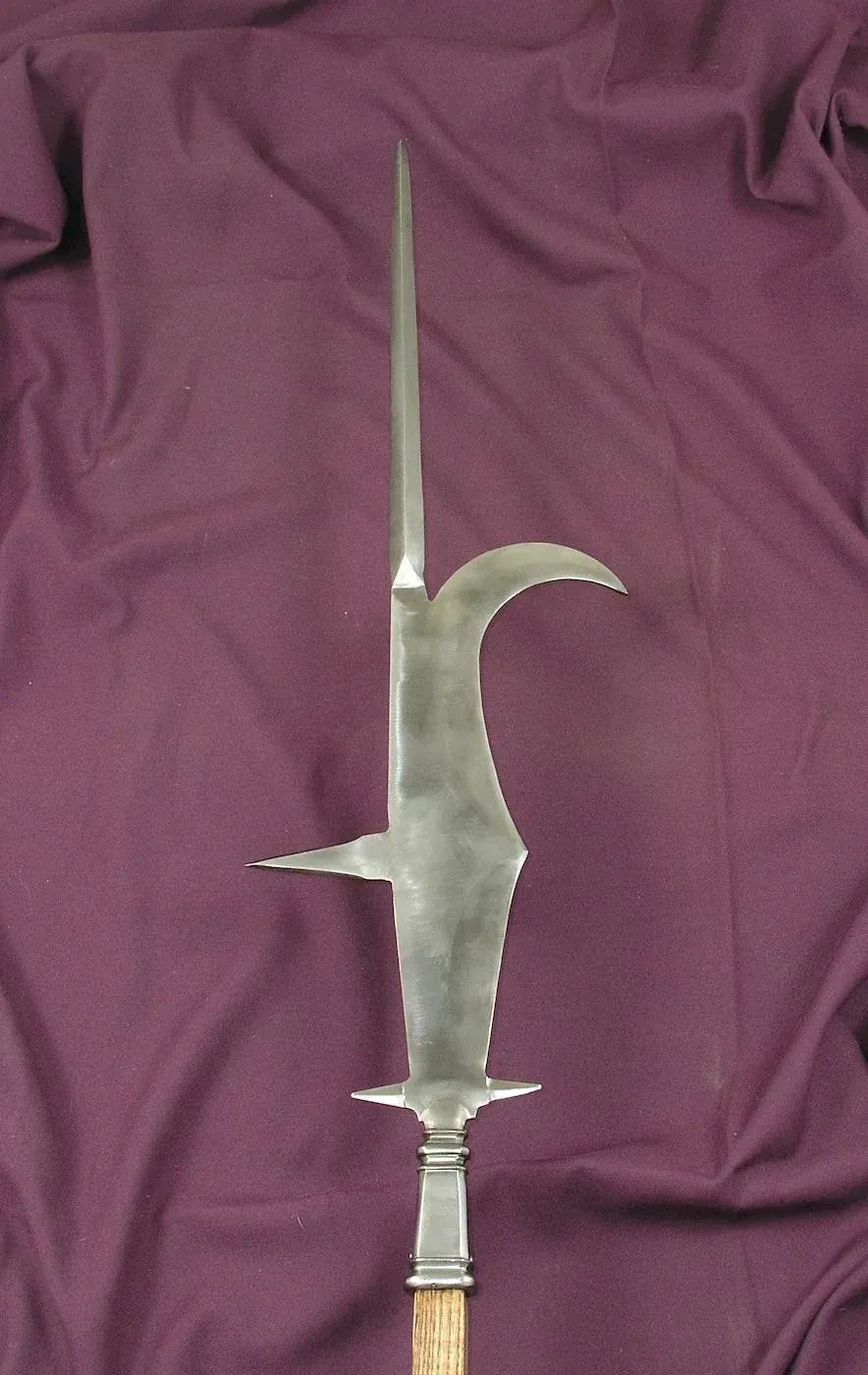
Billhook
A billhook is a polearm designed to grab and control your opponents weapon. Used in the Middle Ages.
Pros: Exellent at hooking and controlling enemies, effective against light armor.
Cons: Requires a lot of skill to use efficiently, can be unwieldy in tight formations
Average size: 5-7 feet
Average weight: 4-7 pounds
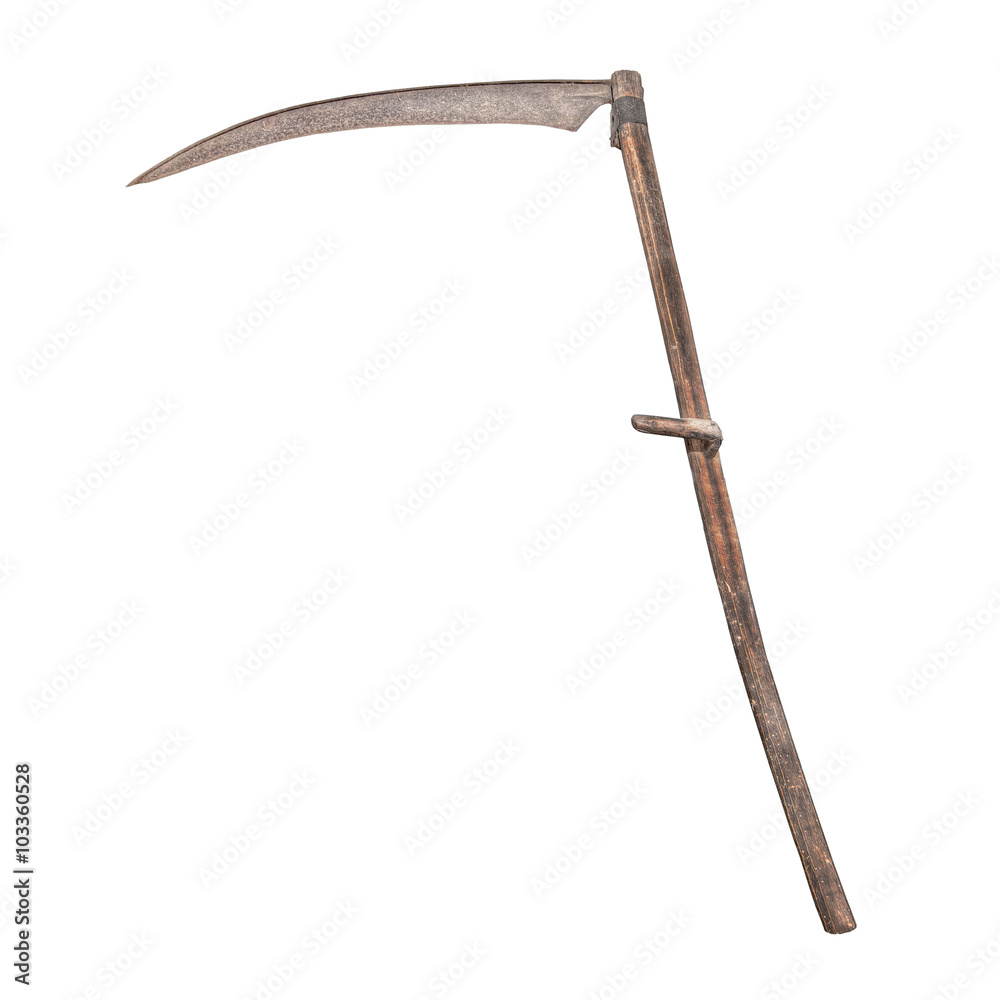
Scythe
Scythes were used by farmers for reaping crops. They were often depicted as a symbol of death. Used in Mesopotamia, Greece, Rome, and the Middle Ages.
Pros: Long sweeping attacks, very common.
Cons: Difficult to use in combat, not a very effective weapon overall.
Average size: 5-7 feet
Average weight: 3-6 pounds
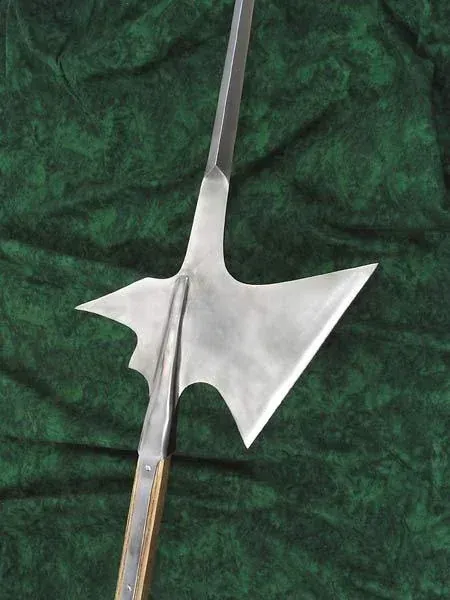
Halberd
Halberds were used to counter cavalry charges. They combined an axe head and a spear tip. Used in the Middle Ages.
Pros: Effective against cavalry, versatile (cuts and stabs).
Cons: Requires training to use well, needs recovery after swings.
Average size: 5-7.5 feet
Average weight: 5-7 pounds
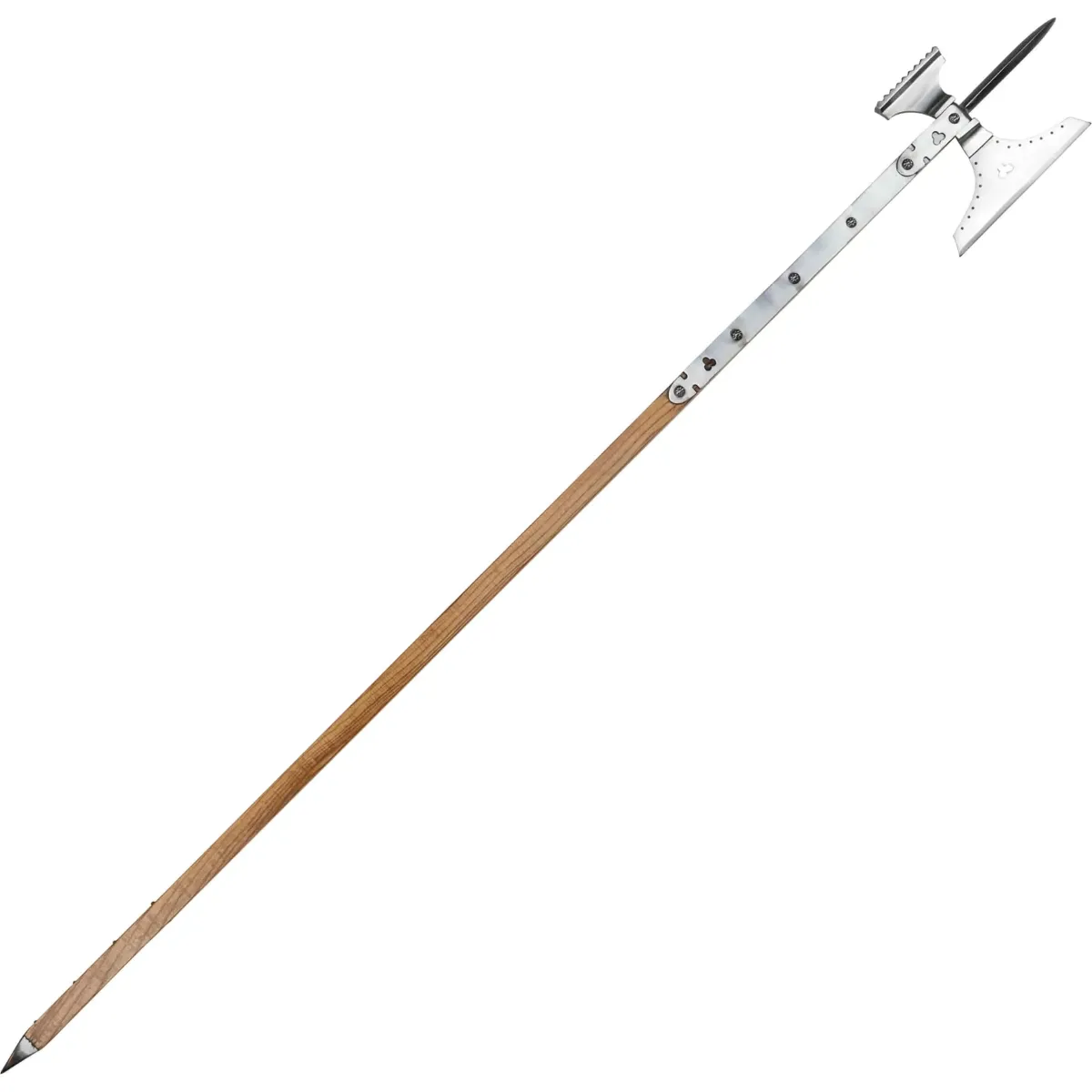
Poleaxe
A poleaxe combines spear, hammer, and an axe blade all in one weapon. Used in the Middle Ages
Pros: Effective at cutting, stabbing, and clubbing opponents. Effective against armor
Cons: Requires heavy training and strength to use, slower than other polearms.
Average size: 5-6.5 feet
Average weight: 5-8 pounds
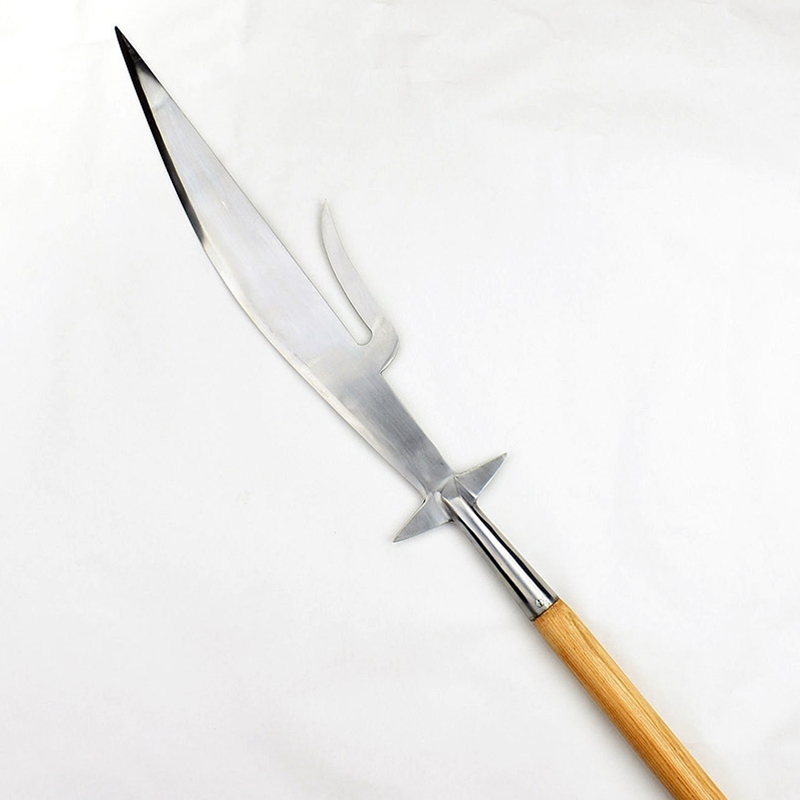
Fauchard
A fauchard is a polearm with a long curved blade made for slashing. Used in the Middle Ages.
Pros: Long reach, can slash, effective against lightly armored opponents
Cons: Bad at thrusting, needs space to swing properly.
Average size: 6-8 feet
Average weight: 3-5 pounds
Click a section above to see more
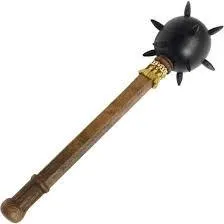
Mace
A mace is a blunt weapons with a heavy, spiked ball at the end of a short rod. Maces were used to attack armored opponents, and could deal bone-crushing blows. Used in Greece, Rome, and the Middle Ages.
Pros: Hard hits, can be used with a shield, simple to use
Cons: Short reach, requires close proximity, limited versatility.
Average size: 2-3.5 feet
Average weight: 2-5 pounds
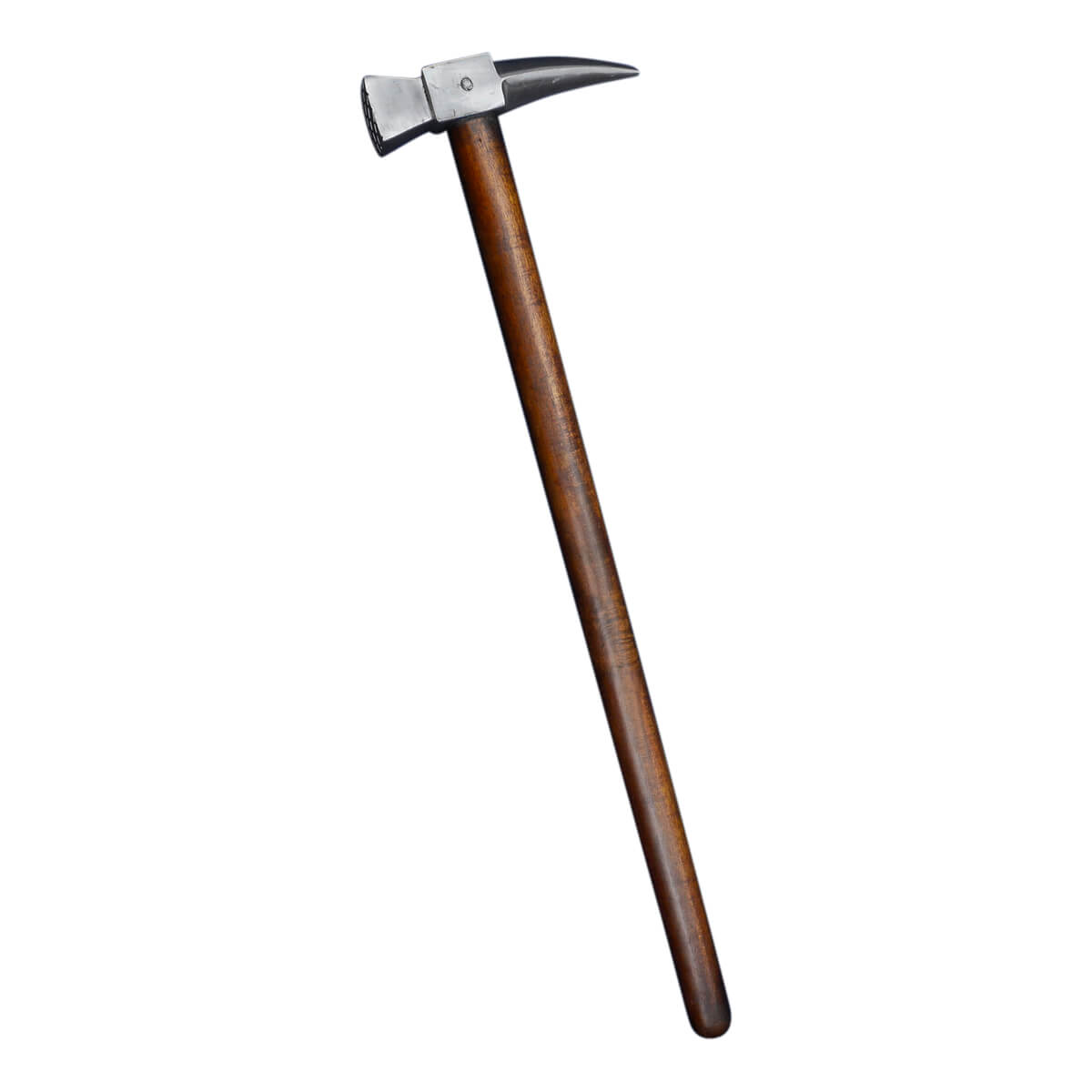
Maul
A maul is a very heavy two-handed blunt weapons. Hits very hard, easily able to crush bones. Used in the Middle Ages.
Pros: Ridiculously heavy hits, simple construction
Cons: Very slow to use, requires significant strength to wield, requires heavy armor because you couldn't use a shield.
Average size: 4-6 feet
Average weight: 10-20 pounds
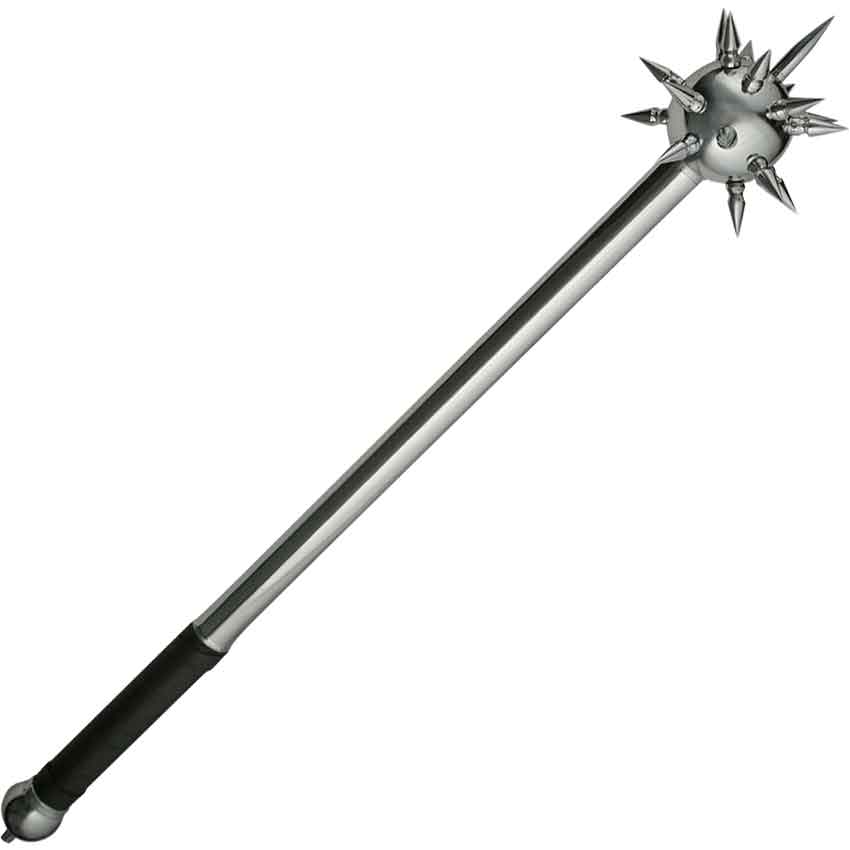
Morningstar
A morningstar is a mace with much larger spikes designed to pierce armor. Used in the Middle Ages.
Pros: High damage to armor, very indimidating
Cons: Risk of self injury (for flail variants), less effective in cramped spaces.
Average size: 2-5 feet
Average weight: 3-6 pounds
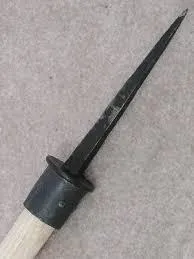
Goedendag
Medical infantry weapon that combines a short spear with a club. Used in the Middle Ages.
Pros: Effective against cavalry, simple
Cons: Limited versatility, slow, heavy swings
Average size: 4-6 feet
Average weight: 4-8 pounds
This page was made by Jacksen Smith
Jacksen is awesome